Implant Aftercare: What Matters for Long-Term Dental Health
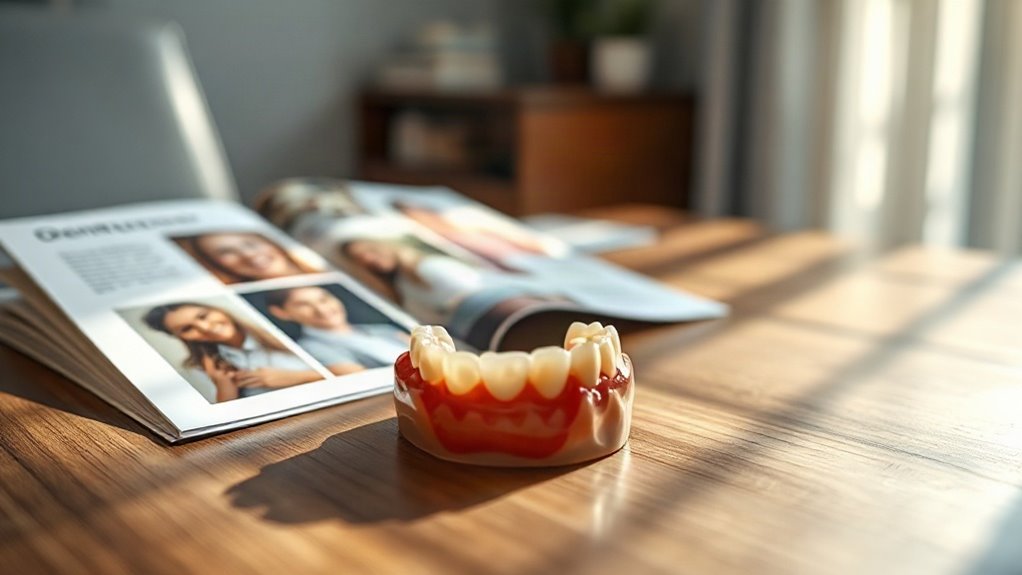
A dental decision can feel much simpler when the problem is explained in plain language. Implant aftercare covers the early healing period and the long-term cleaning needed around an implant and its restoration. This guide looks at long-term health in a way that is easy to use. The aim is to help you prepare for a useful talk with a dentist.
A local clinic should be able to explain the diagnosis, the possible next steps, and the care needed afterward. No two mouths are exactly alike. Age, gum health, bite, past dental work, habits, and health history can all affect the plan. That is why online advice should support a dental visit, not replace one.
Start by thinking about your main concern and how long it has been present. A search for dentist rajkot can help you start a local shortlist, yet a useful decision still depends on diagnosis, treatment choices, and follow-up. Then look for a clinic that can explain what it finds and show you the choices. A patient who understands the plan is in a better position to care for the result.
Brief Overview
- Clear questions about options, timing, comfort, and follow-up make decisions easier.
- Daily cleaning and sensible habits support both natural teeth and dental work.
- Prompt advice is important when pain, swelling, bleeding, or damage is getting worse.
- Implant Aftercare should be considered in the context of the whole mouth, not as an isolated label.
- A dental exam helps confirm the cause before treatment is chosen.
What Implant Aftercare Means for Oral Health
Implant aftercare covers the early healing period and the long-term cleaning needed around an implant and its restoration. A calm visit often starts with clear questions. The same symptom or goal can have more than one cause. That is why a dental exam matters before any treatment choice is made. Take notes if several choices are discussed.
It also helps to separate the problem from the treatment name. A patient may arrive with one idea and learn that another option fits better. The dentist should explain what is healthy, what needs care, and what can be watched. A longer treatment is not always a worse choice if it protects more healthy tooth structure. A simple explanation makes it easier to take part in the decision.
Simple Home Care That Supports the Dental Plan
Follow the clinic's instructions, keep the area clean, avoid smoking, and do not skip long-term implant reviews. Brush twice a day with fluoride toothpaste. Report a new sore spot, loose part, or change in the bite. Good home care does not have to be complicated. A routine that you can follow every day is more useful than an intense routine used only once in a while.
Diet patterns also matter because teeth respond to how often they face sugar and acid. Water is a simple drink between meals. If you snack often, try to reduce how many times teeth are exposed during the day. Do not use home care as a reason to delay treatment for pain, swelling, or damage. Follow-up is part of treatment, not an extra step.
Prevention and Risk Factors to Keep in Mind
Dental problems often become harder to manage when the cause stays active. Pain is not the only sign that a dental problem is getting worse. Poor plaque control can affect both natural teeth and dental work. Your personal risk can also change with age, medicines, diet, smoking, stress, and cleaning habits. A dentist can help you focus on the factors that matter most in your case.
Prevention is not only about avoiding treatment. It also helps protect work that has already been done. Daily plaque control, sensible eating habits, and planned reviews all play a part. Follow the clinic's instructions, keep the area clean, avoid smoking, and do not skip long-term implant reviews. Simple habits are easier to keep when they fit your normal day. A search for best dentist rajkot can help you start a local shortlist, yet a useful decision still depends on diagnosis, treatment choices, and follow-up.
Why Follow-Up and Maintenance Matter
Dental treatment is easier to protect when follow-up is planned from the start. Follow the clinic's instructions, keep the area clean, avoid smoking, and do not skip long-term implant reviews. Keep the area clean in the way you were shown. A review can show whether healing is going as planned. The review schedule should reflect your own risk, not a fixed rule for every person.
At later visits, the dentist may check the gums, bite, tooth surface, and any restoration or appliance. Small adjustments can be simpler when changes are found early. Bring up any cleaning problem instead of working around it for months. If a part feels loose or the bite changes, ask for advice. Maintenance is one of the main ways to protect time and money already spent on care.
Frequently Asked Questions
Why does Implant Aftercare matter for oral health?
Implant aftercare covers the early healing period and the long-term cleaning needed around an implant and its restoration. The effect can be small or more involved depending on the cause and how long it has been present. A dental exam helps show what needs care now and what can be watched. That is more useful than guessing from one symptom.
When should I book a dental visit about Implant Aftercare?
Pain that is getting worse, marked swelling, bleeding that does not settle, a loose part, or a change in the bite should be reported. You should seek faster advice if swelling, severe pain, heavy bleeding, fever, or trouble swallowing develops. If the change is mild but keeps returning, it still deserves a planned visit.
What happens during an assessment for Implant Aftercare?
Follow-up checks focus on healing, gum condition, cleanliness, bite, and the stability of the implant restoration. The dentist may also ask about past treatment, medicines, habits, and your goals. Tests or images should be used when they add useful information. You can ask the dentist to explain each finding in simple words.
How are options for Implant Aftercare compared?
Advice can include gentle cleaning, food changes for a short time, review visits, and later maintenance based on gum health. The right plan can differ from one person to another. Ask about benefits, limits, timing, maintenance, and any reasonable alternative. A clear dentist rajkot plan should match the diagnosis rather than a popular treatment name.
How can I look after my mouth while managing Implant Aftercare?
Follow the clinic's instructions, keep the area clean, avoid smoking, and do not skip long-term implant reviews. Use home care to support professional advice, not to replace needed treatment. If symptoms get worse or a new problem appears, contact a dental professional. Steady habits are usually easier to maintain than sudden short-term changes.
Summarizing
The main goal is to make a dental decision with enough information and without needless pressure. For implant aftercare, start with a proper assessment and ask what the dentist has found. Compare choices by health, comfort, upkeep, time, and cost rather than one feature alone. Make sure you know what happens next.
Follow the clinic's instructions, keep the area clean, avoid smoking, and do not skip long-term implant reviews. If symptoms change or become severe, seek timely dental advice rather than relying on home remedies. If you are unsure, ask for the plan in simpler terms before you agree to treatment. A clear plan and steady home care can make long-term dental care easier to manage.